

Der Protein ist ein kleiner Multitimbraler Synthesizer in blau.
Vorher gab es diesen Thread, der interessante Beiträge enthält, bevor das bekannt wurde.
2 Wavetables, also je einer pro Oszillator (es gibt 2)
1 Noise Generator mit eigenen speziellen Algorithmen, die alternativ dazu gewählt werden können
- siehe Video / Interview dazu: Geiger, Crackling, Burst, White Noise
Dirt - Varianten, pro Voice, Drive am Ende als Fx auch möglich. Drive im Filter
2 LFOs,nicht audio aber schneller als MW
1 Filter klassisch - Curtis-artig - LPF / HPF* - der Microwave hatte natürlich nur Tiefpass.
3 ADSR Hüllkurven
Sequencer, Arpeggiator, Chord Engine - Gesamt, nicht pro Layer
MIDI CC Steuerung / Anpassung, Lern für alle Parameter (120 etwa)
MPE
Leichtes livetaugliches Gehäuse, größer als eine Hand, passt fast überall rein.
4facher Layer, Multitimbral
Flavour Knopf für Lebendigkeit, bewegt Wavetables, Filter etc. - siehe Video
Technisches und Co: USB C - MIDI & Strom, Adapter gegen Geräusche über USB liegt bei, 329€
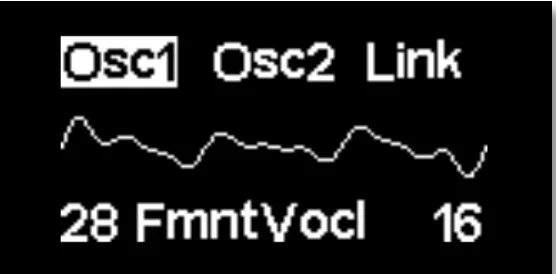
Das Display zeigt recht gut das Wavetable:
Wir sprachen mit Rolf Wöhrmann, dem Waldorf Boss und Entwickler.
Er sagt uns alles, was ein Nerd, ein Einsteiger und ein Musiker wissen sollte über den neuen Waldorf Protein, der mit seinen 329€ eine für Waldorf ungewöhnliche Preislage erreicht. Er ist der Start für eine Reihe neuer interessanter Synthesizer und 2 Effekte (nicht 5 wie im Irridium) für alle Sounds.
Er hat Möglichkeiten, die wir alle besprechen werden -
EDIT: Bio / Ego-Hintergrund: Bin Microwave I, II, XT, etc. User, vertraut, war auch öfter bei Waldorf, von der Düren Zeit im Schloss bis heute.
Liebs - daher schauen wir nochmal genauer hin, allerdings sieht Waldorf den Protein nicht als Nachfolger sondern als günstigen Synth der Teil einer Serie ist, dh - andere Maßstäbe als der damals nicht so günstige Microwave, meine Diplomarbeit hatte ich übrigens zum Microwave II gemacht. Sprich. Ihr könnt alles fragen, UPAW, ASIC Level >7 - Sounds, Hüllkurven und 68000 Prozessor damals, heute neue Technik: ESP. Das hier ist technisch absolut anders und sucht andere Freunde.
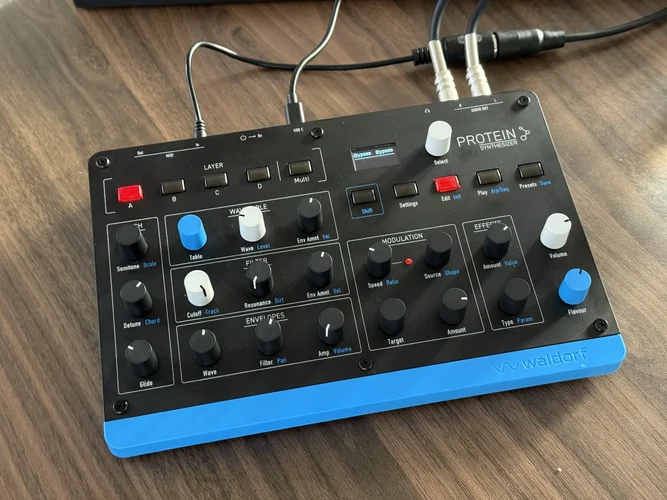
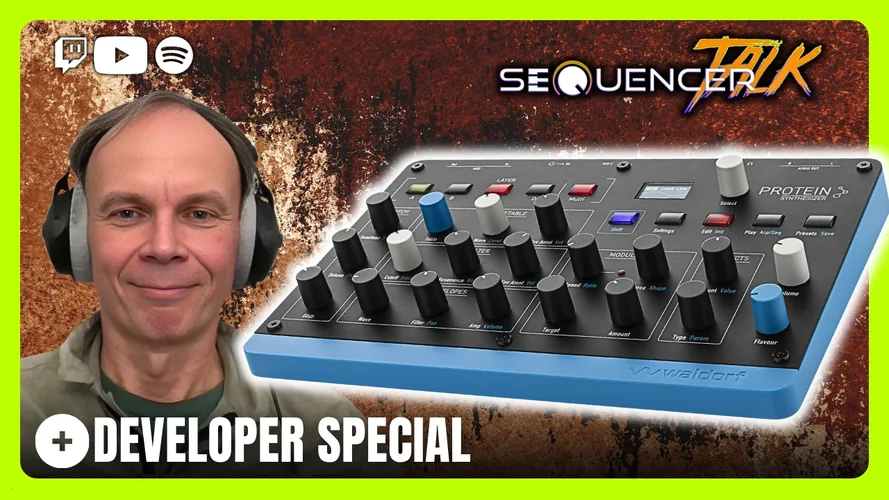
Interviews zum Synth in SequencerTalk mit Rolf Wöhrmann als Gast, fast schon eine alte Tradition:

 steady.page
SequencerTalk Thread: https://www.sequencer.de/synthesizer/threads/2025-11-27-youtube-sequencertalk-videocast-21-00-waldorf-protein-talk-mit-rolf.146848/post-3031626
 www.thomann.de
Wichtige Sachen zum Synths:
- 8fach Modmatrix plus den Basic Routings im "Microwave" Stil.
- Nicht soundgleich und daher auch nicht gedacht als Microwave Emulator, allerdings klingen die OSCs und Tables sehr authentisch. Lädt also keine Patches von anderen Microwellen. Dennoch lädt er keine MW Sounds, was schon wegen der Multi-Segment Hüllkurve nicht 1:1 sein kann.
Da der bisherige Thread sehr wüst 10 Seiten Spekulation ist - hier mal ein normaler Thread dazu.
Es wird mehr als nur den Protein geben und nein - das sind dann nicht unbedingt kleine Versionen des Iridium etc.
Es gibt viele Varianten geplant und ansonsten - ich höre in mir immer "A-B-C-D- Vitamin…"
Hör, was der Meister spricht!
Wir haben auch ein paar Dinge besprochen, die viel gefragt wurden über diverse Dinge rund um Waldorf.
Ich hatte die Option vorher mal hin zu fahren und mir alles anzusehen, da ist schon noch einiges los - Bedienung ist interessant und anders und Sound - nochmal - der Sound. Der ist wirklich interessant - finde ich, wie Clock DVA, TD oder was auch immer du mit PPG/Microwave verbindest.
Und Technik hören wir auch. Was kann sie, was ist die Idee und wie geht es weiter - 2026 kann kommen.
ASIC-Sound, gemischt mit "neu" und beszahlbar, multitimbral.
www.thomann.de
Vorher gab es diesen Thread, der interessante Beiträge enthält, bevor das bekannt wurde.
Was kann der Protein Synthesizer?
2 Wavetables, also je einer pro Oszillator (es gibt 2)
1 Noise Generator mit eigenen speziellen Algorithmen, die alternativ dazu gewählt werden können
- siehe Video / Interview dazu: Geiger, Crackling, Burst, White Noise
Dirt - Varianten, pro Voice, Drive am Ende als Fx auch möglich. Drive im Filter
2 LFOs,
1 Filter klassisch - Curtis-artig - LPF / HPF* - der Microwave hatte natürlich nur Tiefpass.
3 ADSR Hüllkurven
Sequencer, Arpeggiator, Chord Engine - Gesamt, nicht pro Layer
MIDI CC Steuerung / Anpassung, Lern für alle Parameter (120 etwa)
MPE
Leichtes livetaugliches Gehäuse, größer als eine Hand, passt fast überall rein.
4facher Layer, Multitimbral
Flavour Knopf für Lebendigkeit, bewegt Wavetables, Filter etc. - siehe Video
Technisches und Co: USB C - MIDI & Strom, Adapter gegen Geräusche über USB liegt bei, 329€
Das Display zeigt recht gut das Wavetable:
"Unser" VIDEO INTERVIEW MIT WALDORF
Hatte den Synth selbst vor einer Woche in der Hand.Wir sprachen mit Rolf Wöhrmann, dem Waldorf Boss und Entwickler.
Er sagt uns alles, was ein Nerd, ein Einsteiger und ein Musiker wissen sollte über den neuen Waldorf Protein, der mit seinen 329€ eine für Waldorf ungewöhnliche Preislage erreicht. Er ist der Start für eine Reihe neuer interessanter Synthesizer und 2 Effekte (nicht 5 wie im Irridium) für alle Sounds.
Er hat Möglichkeiten, die wir alle besprechen werden -
EDIT: Bio / Ego-Hintergrund: Bin Microwave I, II, XT, etc. User, vertraut, war auch öfter bei Waldorf, von der Düren Zeit im Schloss bis heute.
Liebs - daher schauen wir nochmal genauer hin, allerdings sieht Waldorf den Protein nicht als Nachfolger sondern als günstigen Synth der Teil einer Serie ist, dh - andere Maßstäbe als der damals nicht so günstige Microwave, meine Diplomarbeit hatte ich übrigens zum Microwave II gemacht. Sprich. Ihr könnt alles fragen, UPAW, ASIC Level >7 - Sounds, Hüllkurven und 68000 Prozessor damals, heute neue Technik: ESP. Das hier ist technisch absolut anders und sucht andere Freunde.
Interviews zum Synth in SequencerTalk mit Rolf Wöhrmann als Gast, fast schon eine alte Tradition:
Waldorf Protein - Neue Synthesizer - Serie / Waldorf-Entwickler Rolf
Guten Tag liebe Sequencertalker! Liebe Supporter! Waldorfschüler! Wir sprechen mit Rolf Wöhrmann von Waldorf über den Waldorf Protein Synthesizer und alle Details, ALLE!
SequencerTalk Thread: https://www.sequencer.de/synthesizer/threads/2025-11-27-youtube-sequencertalk-videocast-21-00-waldorf-protein-talk-mit-rolf.146848/post-3031626
Waldorf Protein
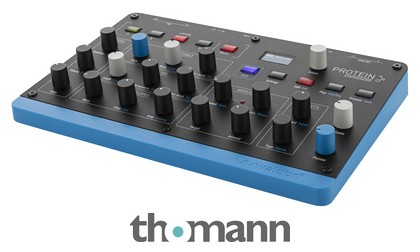
WaldorfProtein; 8-stimmig polyphoner Wavetable Synthesizer; Vierfach multitimbral; 2 Wavetable-Oszillatoren auf Basis des originalen Waldorf-ASIC-Chip; beinhaltet alle originalen Wavetables von Microwave 1; Nachbildung der 8-Bit-Quantisierung und...
329,00€
www.thomann.de
Wichtige Sachen zum Synths:
- 8fach Modmatrix plus den Basic Routings im "Microwave" Stil.
- Nicht soundgleich und daher auch nicht gedacht als Microwave Emulator, allerdings klingen die OSCs und Tables sehr authentisch. Lädt also keine Patches von anderen Microwellen. Dennoch lädt er keine MW Sounds, was schon wegen der Multi-Segment Hüllkurve nicht 1:1 sein kann.
Da der bisherige Thread sehr wüst 10 Seiten Spekulation ist - hier mal ein normaler Thread dazu.
Es wird mehr als nur den Protein geben und nein - das sind dann nicht unbedingt kleine Versionen des Iridium etc.
Es gibt viele Varianten geplant und ansonsten - ich höre in mir immer "A-B-C-D- Vitamin…"
Hör, was der Meister spricht!
Wir haben auch ein paar Dinge besprochen, die viel gefragt wurden über diverse Dinge rund um Waldorf.
Ich hatte die Option vorher mal hin zu fahren und mir alles anzusehen, da ist schon noch einiges los - Bedienung ist interessant und anders und Sound - nochmal - der Sound. Der ist wirklich interessant - finde ich, wie Clock DVA, TD oder was auch immer du mit PPG/Microwave verbindest.
Und Technik hören wir auch. Was kann sie, was ist die Idee und wie geht es weiter - 2026 kann kommen.
ASIC-Sound, gemischt mit "neu" und beszahlbar, multitimbral.
Waldorf Protein
WaldorfProtein; 8-stimmig polyphoner Wavetable Synthesizer; Vierfach multitimbral; 2 Wavetable-Oszillatoren auf Basis des originalen Waldorf-ASIC-Chip; beinhaltet alle originalen Wavetables von Microwave 1; Nachbildung der 8-Bit-Quantisierung und...
329,00€
www.thomann.de
Anhänge
Zuletzt bearbeitet:


